Neuro Metabolic Disease
Cerebral Amyloid Angiopathy
Blooming black dots
Seen in amyloid disease and chronic hypertensive encephalopathy
May resemble chronic hypertensive encephalopathy on imaging
Both will have blooming black dots
In cortex and pia —> amyloid
In basal ganglia and cerebellum —> HTN
Superficial siderosis present
Systemic siderosis does not correlate with CAA
Eye of the Tiger Sign
Symmetric low T2 signal of globus pallidus (due to accumulation of iron) with central area of high signal (due to gliosis)
Associated with PKAN (pantothenate kinase associated neurodegeneration)
Other associations
Organophosphate poisoning
Parkinsonism
Wilson disease
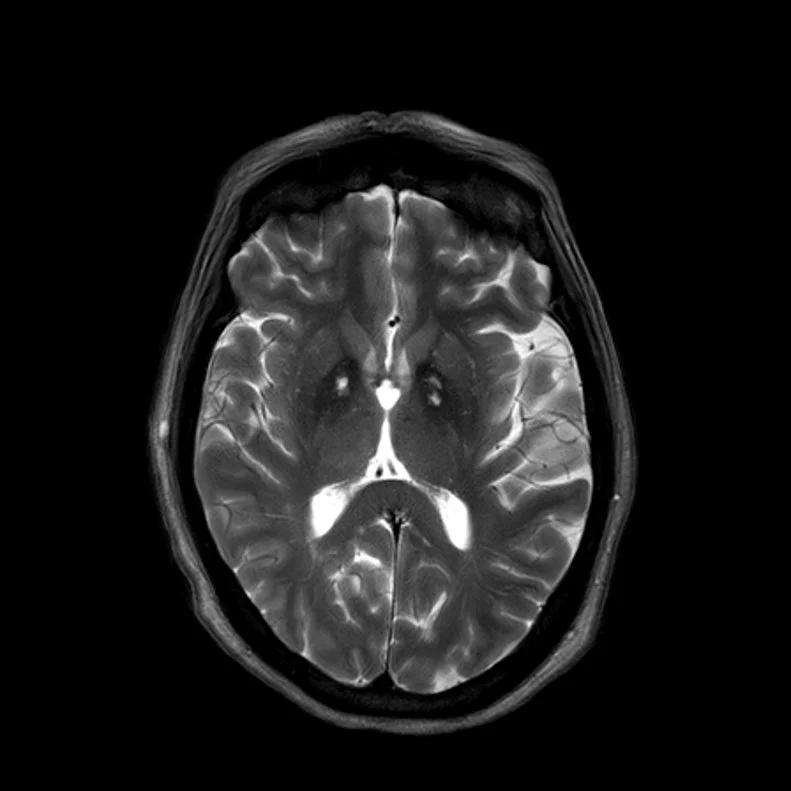
Canavan Disease
High NAA peak - caNAAvan disease
Jews
Deficiency of N-acetylaspartoacylase (i believe needed to break down NAA and therefore NAA accumulates and fucks shit up)
Every picture I have seen is always that super bright white matter on the T2
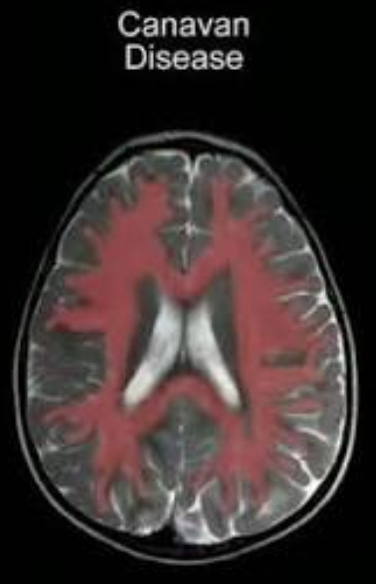
Mitochondrial encephalomyopathy with lactic acidosis and stroke-like episodes (MELAS)
Multifocal stroke like lesions in different stages of healing and does not follow a specific vascular territory
Prefers posterior parietal and occipital lobes
Seen < 40 yo
Black toenail sign
Random Syndromes
PHACES
Posterior fossa abnormality
Hemangioma
Arterial anomaly
Cardiac defects
Eye abnormality
Sternal defects
Basal Ganglia
Bilateral Basal Ganglia
T1 Bright basal ganglia
Liver failure
Hyperalimentation (manganese)
High blood sugar (non DKA)
Wilsons disease
Viral infection (West Nile, Japanese Encephalitis)
Drugs
Heroin
CO poisoning
Methanol
Cyanide
Niroimidazole
Methanol Poisoning
Classically Symmetric Putamen hyperintensity
Looks like orange slice candy
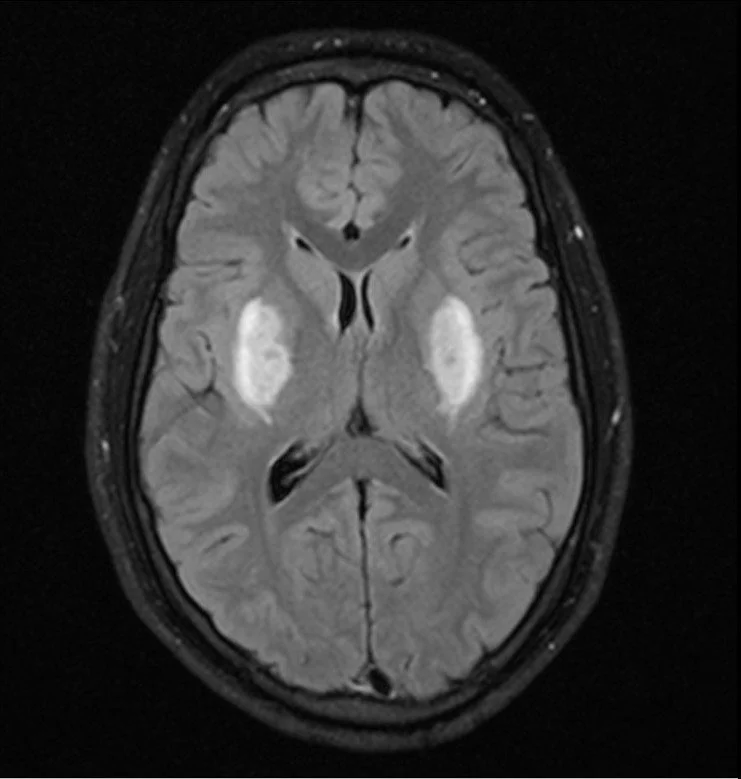
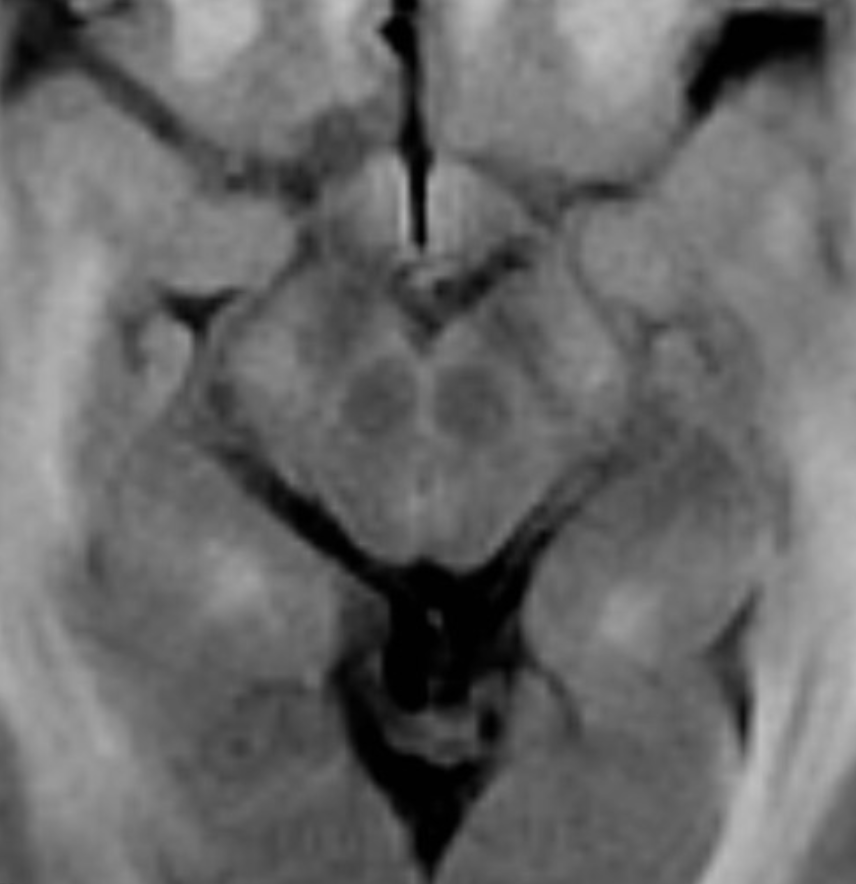
Nonspecific bilateral - typically symmetric basal ganglia involvement
Cyanide
Organophosphate poisoning
Typically lacks hemorrhage which may be seen with others
Wilson’s Disease
Autosomal recessive disorder of copper metabolism
Increased signal in bilateral putamen is most common CNS finding
Can occur pretty much every where else, midbrain seems to also be important though
Multiple key signs associated with this:
Panda face = involvement of white matter surrounding red nuclei make the nuclei prominent and look like eyes
Claustra sign - hyperintensity in the claustra (linear area between external capsule medially and insula laterally)
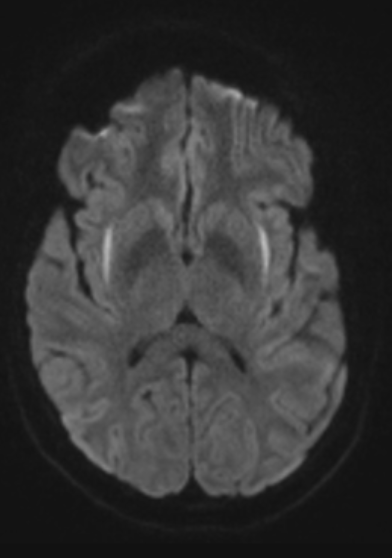
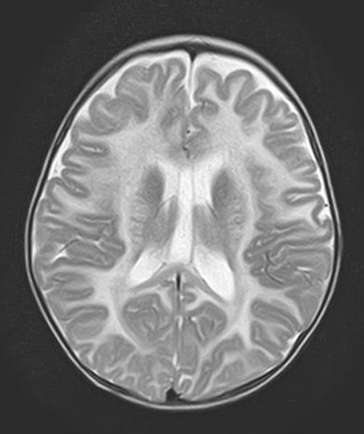
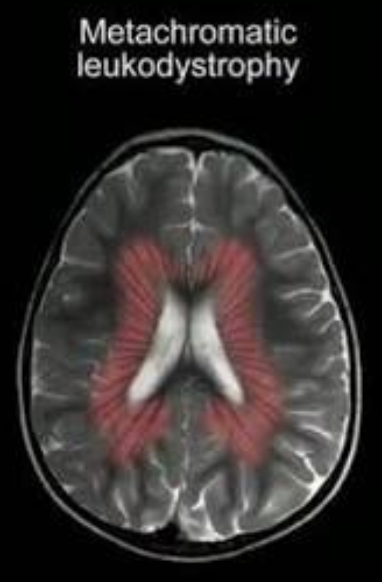
Metachromatic Adrenoleukodystrophy
Lack of Arylsulfate A results in accumulation of galactosylsulfatide
Lysosomal disorder
Failure to break down and re-utilize myelin
Autosomal recessive
Stripes of affected white matter inter-mixed with unaffected white matter resulting in tigroid appearance
Carbon Monoxide Poisoning
Classically Symmetric globus pallidus hyperintensity
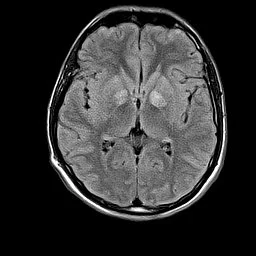
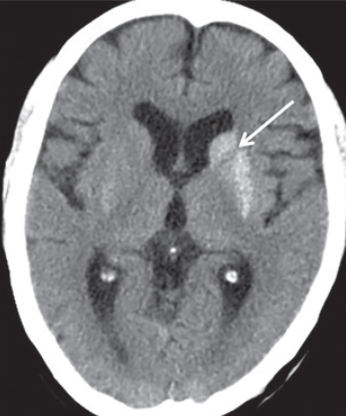
Non-Ketotic Hyperglycemia Hemichorea
Bright putamen
Sometimes has accompanying bright caudate and globus pallidus
Bright on T1 - NOT A BLEED even if they have HTN with it
Movement issues will be on opposite side of the side that has the abnormal imaging findings
Thalamus
Bilateral Thalami Involvement
Wernickie
Artery of Percheron infarct
Internal cerebral vein thrombosis
Wernickie Encephalopathy
Caused by thiamine deficiency typically in alcoholics
Findings
T2/FLAIR hyperintensity of the bilateral thalami and periaqueductal gray matter
Mammillary body enhancement
CADASIL
Recurrent infarcts in young to middle aged adults in absence of typical vascular risk factors
Migraine typical early clinical presentation
Mutation in NOTCH3 gene
Basically diffuse FLAIR signal, frontal and anterior temporal lobe predominance
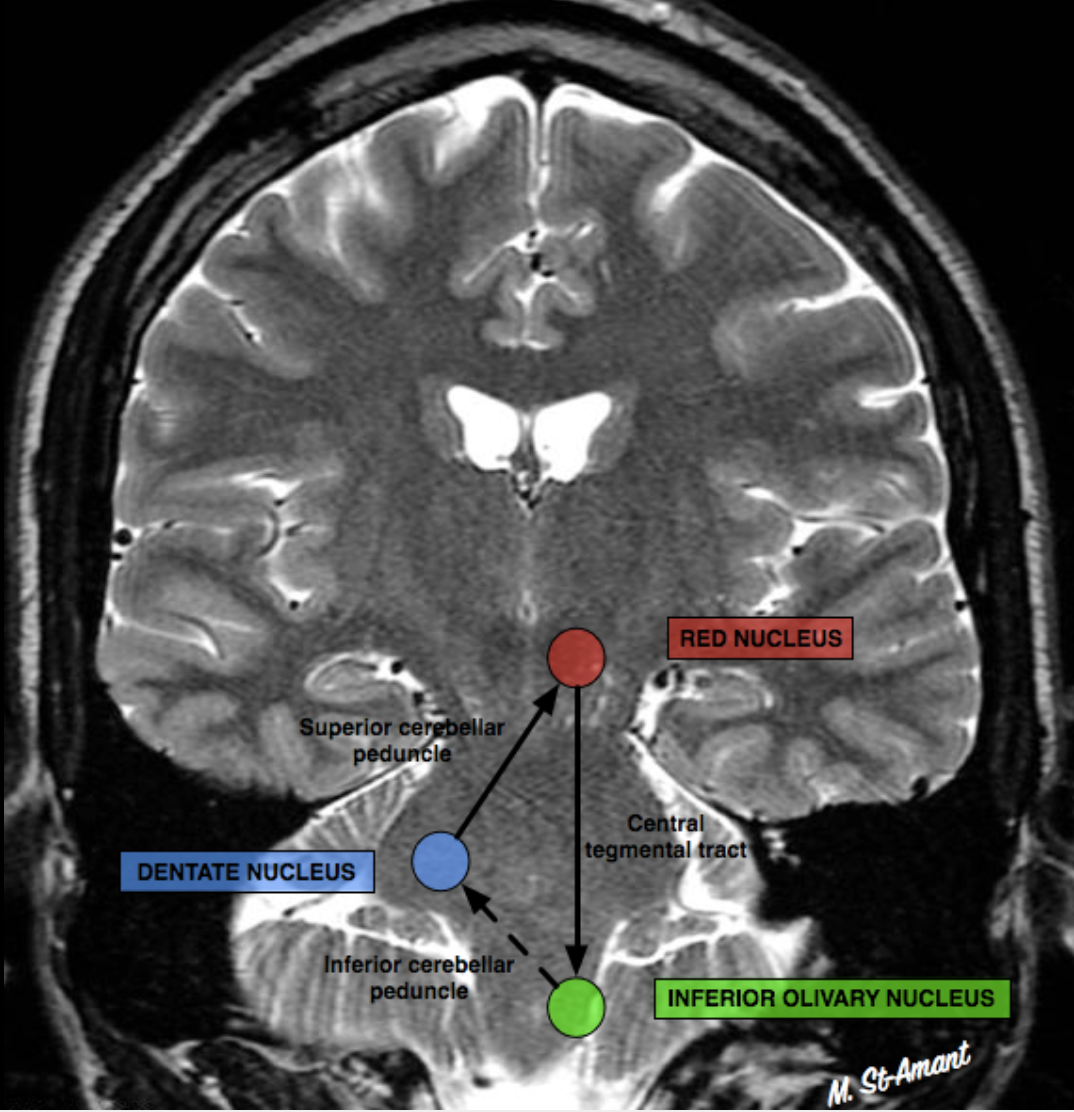
Hypertrophic Olivary Degeneration
Basically lesion in the triangle of Guillian & Mollaret results in insult to the nerve tracts that run through there
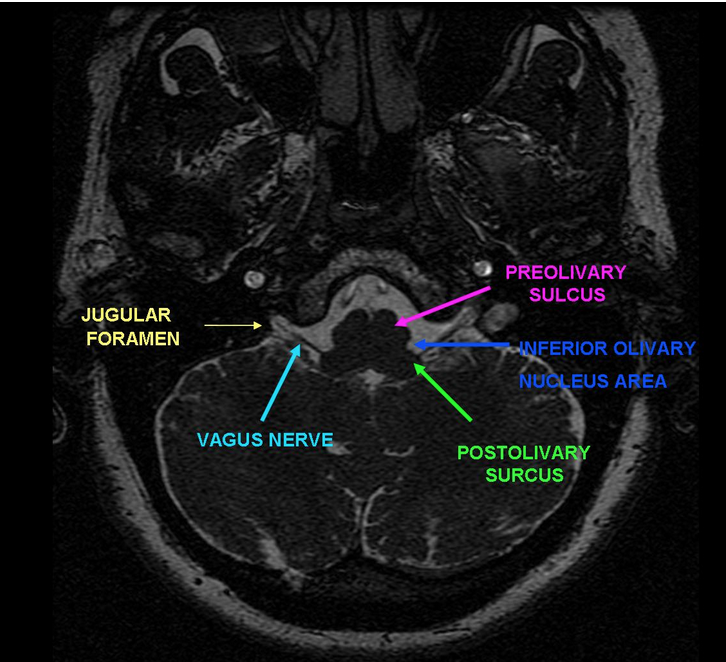
This results in hypertrophy of the inferior olivary nucleus
Triangle is formed by the red nucleus, contralateral dentate nucleus and inferior olivary nucleus
Classically presents with oculopalatal tremor (ocular, palate and msk tremors)
Note that the inferior olivary nucleus is bound by the pre-olivary sulcus anteriorly and retro-olivary sulcus posterior-laterally
Alexander Disease
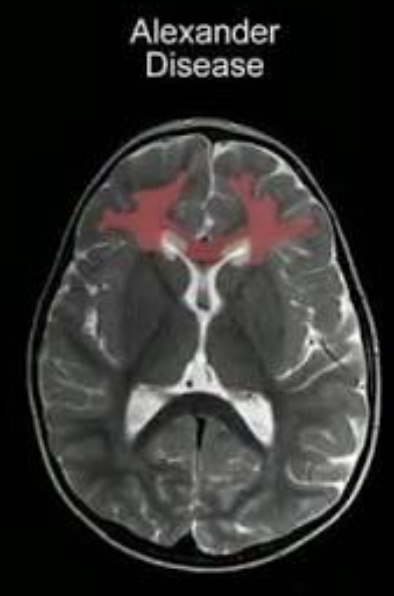
Autosomal dominant mutation in GFAP (ALEX FAPS)
Frontal predominant disease
5 Criteria according to some article
Frontal predominant white matter disease
T1 bright, T2 dark perventricular rim (periventricular garland)
Basal ganglia or thalami abnormality
Brainstem abnormality
Enhancement of brainstem and/or periventricular regions
Autoimmune Encephalitis (sometimes called autoimmune limbic encephalitis)
Basically FLAIR hyperintensity in the temporal and frontal lobes including insula
No restriction
No hemorrhage
May have some patchy enhancement
Comes in two flavors, Neoplastic & Non-neoplastic
Non-Neoplastic
Anti-GAD Abs
Neoplastic
Anti Hu Abs - limbic encephalitis - associated with small cell lung cancer
Anti-Yo
Anti-Ri Abs
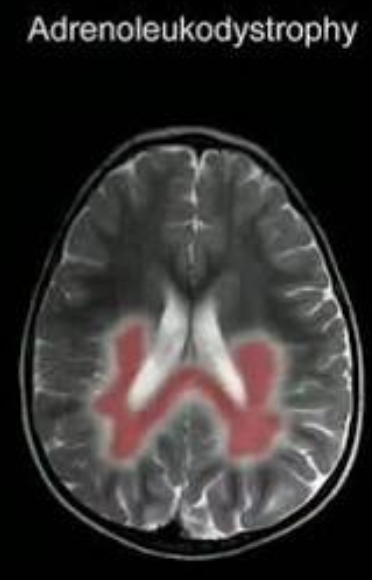
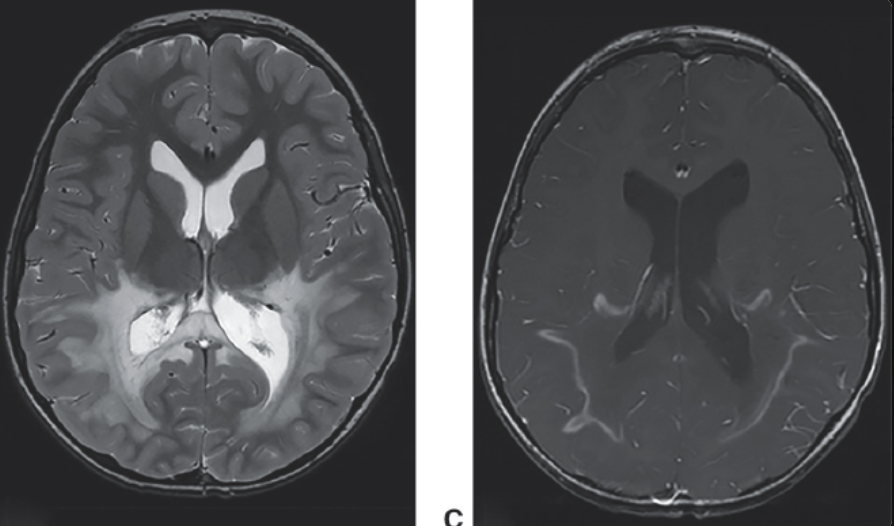
X-Linked Adrenoleukodystrophy
Inability of peroxisomes to oxidize VLC-Fatty acids (peroxisomal disorder)
Results in insult and demyelination of white matter
Most commonly diagnosed in childhood
Caused by mutation in ABCD1 gene
References:
Case courtesy of Yune Kwong, Radiopaedia.org, rID: 41008
Case courtesy of Elshan Abdullayev, Radiopaedia.org, rID: 50288